Mar 13, 2026
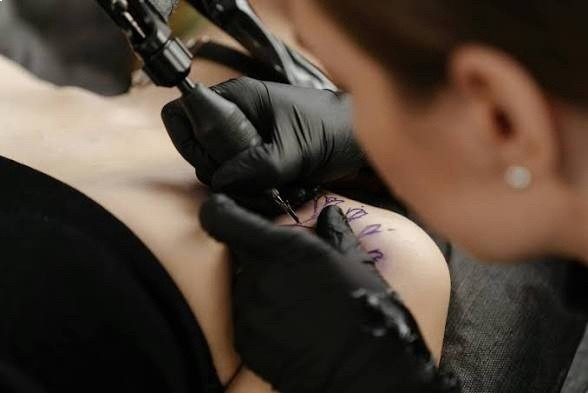
Tattoo artistry has evolved into a respected creative profession, and fine line tattooing — known for its delicate, detailed, and minimalist aesthetic — is one of the most sought-after styles in the industry. If you’re passionate about transforming artistic expression into body art with precision, a fine line tattoo course is your gateway to mastering this specialised craft. Structured training provides foundational knowledge and practical expertise, helping you build confidence, skill, and professional competency in a rapidly growing creative field.
In this article, we explore how a fine line tattoo course develops technical foundations, emphasises safety and ethical practice, sharpens creative storytelling, and opens up career and personal opportunities.
1. Technical Foundations: The Building Blocks of Fine Line Tattooing
Fine line tattooing is distinctive for its intricate lines and minimalist style — achieving crisp, consistent lines requires meticulous technique. A comprehensive fine line tattoo course guides you through every aspect of this specialised form of body art, from understanding skin anatomy to mastering your tools.
Learning how skin structure affects ink placement and healing is essential. Knowledge of skin anatomy helps you control needle depth and angle to minimise trauma and promote lasting results. You’ll also gain expertise in choosing and preparing materials, understanding machine settings, selecting appropriate needles, and managing ink flow for precision.
Fine line tattooing demands steadiness and control. Courses cover techniques for consistent pressure, line consistency, and how slight variations in movement or speed affect the final outcome. Practice often begins on synthetic skins before progressing to supervised work on models.
Tattooing involves piercing the skin, so safety is paramount. Australian training incorporates infection control units such as HLTINF005 Maintain infection prevention for skin penetration treatments, outlining the skills and knowledge needed to reduce infection risks. (training.gov.au)
Mastering these technical components ensures you practise your craft safely, proficiently, and with confidence.
2. Safety First: Health, Hygiene, and Ethical Practice
A fine line tattoo course emphasises that tattooing is not only art — it’s a skin penetration procedure with health implications. High-quality training embeds strict hygiene protocols so you learn industry-standard practices that protect both you and your clients.
In Australia, tattooing is regulated as a skin penetration procedure. Health departments outline hygiene and sterilisation requirements, including sterilising equipment, using single-use needles, and safe disposal of sharps. (health.vic.gov.au)
The course ensures you understand how to:
● Set up a clean, sterile workspace
● Use PPE correctly
● Dispose of sharps and biohazard waste safely
● Conduct thorough client consultations, including contraindication screening
Embedding these practices demonstrates your commitment to safe, responsible tattooing — essential for professional credibility.
3. Creativity and Style: Telling Stories With Fine Line Art
While technical skill and safety are crucial, tattooing is also a form of storytelling. A fine line tattoo course nurtures your creative instincts and helps translate artistic ideas into meaningful, personalised designs.
Fine line tattoos often involve intricate details such as botanical motifs, minimal portraits, or script work. Courses cover:
● Principles of composition and scale
● Mapping designs to complement body contours
● Balancing negative space with detailed elements
● Translating sketches into tattoo-ready artwork
Visual demonstration is one of the most effective ways to understand line control and design execution. This YouTube video illustrates fine line tattoo artistry in action, offering insight into hand movement, line precision, and creative workflow:
Combining demonstrations with hands-on practice refines timing, precision, and problem-solving skills — elevating your work beyond basic line art.
4. Career and Personal Opportunities
Completing a fine line tattoo course unlocks personal growth and professional pathways.
A strong portfolio showcases your skill and versatility. Practise and document a range of designs — from minimal portraits to botanical sketches — to attract a variety of clients.
Trained fine line tattoo artists can explore:
● Freelance tattooing
● Studio assistant or junior artist roles
● Specialised services in delicate tattoo styles
● Collaborative projects with beauty professionals or designers
Structured training boosts credibility and confidence, opening doors to these opportunities.
Industry standards and styles evolve. Completing your course lays a foundation for advanced techniques, workshops, and creative experimentation, helping you deepen expertise and expand your artistic range.
Conclusion: Transform Your Passion Into Expertise
A fine line tattoo course offers a balanced blend of technical training, safety knowledge, creative development, and industry insight. By mastering foundational skills, practising hygienic and ethical procedures, and exploring artistic expression, you become equipped to work confidently and professionally.
Whether your goal is to launch a career or refine your personal skillset, this training provides the tools, guidance, and creative inspiration to elevate your craft and make a lasting impact in the world of fine line tattooing.
Find the complete details of Schools, preschools, nursery schools, infant schools in all cities and states of India at PrePrimarySchools.com. Search through the verified list of schools and check the preferred ones to get their address and contact details or have a complete preview of school at a glance.


Copyright © 2021 Pre Primary Schools . All Rights Reserved
 preprimaryschoolsindia@gmail.com


