Feb 04, 2026
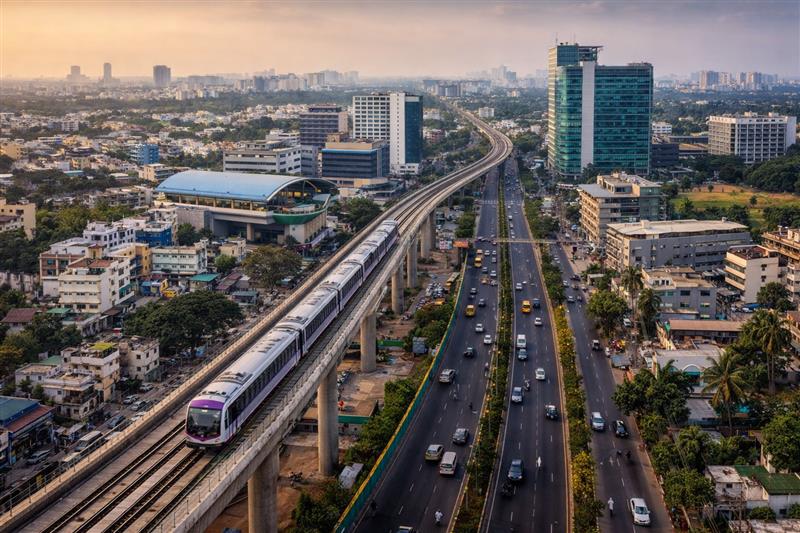
Bengaluru, India’s Silicon Valley, has long been one of the nation’s fastest-growing real estate markets. The city’s IT-driven growth, cosmopolitan population, and expanding infrastructure have consistently attracted homebuyers and investors alike. In recent years, however, one development has emerged as a game-changer for residential and commercial property markets: the rapid expansion of the Bengaluru Metro (Namma Metro).
Metro connectivity is not just improving daily commutes—it is reshaping residential demand, driving property appreciation, and creating new real estate hotspots. Let’s explore how Bengaluru’s metro expansion is influencing real estate and identify the key areas benefiting from this transformative infrastructure.
Metro Expansion as a Catalyst for Real Estate Growth
The Namma Metro, currently operating over 69 kilometers with plans to expand over 150 km in Phase-2, is redefining urban mobility in Bengaluru. Improved metro access has had several direct effects on real estate:
Hotspots Benefiting from Metro Expansion
Here are some of Bengaluru’s key real estate hotspots that are experiencing heightened demand due to metro connectivity:
1. Whitefield
Why It’s Hot:
Whitefield, one of Bengaluru’s oldest IT hubs, has seen renewed residential interest following the extension of the Purple Line. Professionals working in IT parks such as ITPL, SAP Labs, and Oracle now benefit from shorter, predictable commutes.
Residential Appeal:
· Mix of premium and mid-segment apartments
· Integrated gated communities with amenities
· Close proximity to shopping malls, international schools, and hospitals
Investment Potential:
The combination of employment density and metro connectivity makes Whitefield an attractive choice for both end-users and investors seeking rental income.
2. Baiyyappanahalli & Indiranagar Corridor
Why It’s Hot:
The East-West Metro line connects Baiyyappanahalli to MG Road, significantly improving accessibility to Indiranagar and central business districts. Areas around Baiyyappanahalli have become prime residential options for professionals working in central Bengaluru.
Residential Appeal:
· New high-rise apartment projects with premium specifications
· Excellent lifestyle infrastructure including cafes, restaurants, and coworking spaces
· Growing presence of branded residences
Investment Potential:
Rapid metro access reduces dependence on road travel, increasing both rental demand and resale value for apartments in this corridor.
3. Mysore Road & Nagarbhavi
Why It’s Hot:
Metro expansion along the Green Line has boosted connectivity to the western part of Bengaluru. Localities such as Nagarbhavi, Nayandahalli, and Kengeri are now within easy reach of central hubs like Majestic and Rajajinagar.
Residential Appeal:
· Affordable and mid-segment housing attracting first-time buyers
· Proximity to educational institutions and healthcare facilities
· Planned townships and gated communities emerging along metro stations
Investment Potential:
Western Bengaluru offers a balance of affordability and connectivity, making it a hotspot for young families and IT professionals seeking value-driven residential options.
4. Peenya & Dasarahalli
Why It’s Hot:
The northern industrial belt of Peenya, connected via the Green Line, has seen renewed interest from investors. As commercial activity grows, residential projects catering to industrial and IT workers are on the rise.
Residential Appeal:
· Compact apartments with functional layouts
· Emerging retail and service hubs
· Lower price points compared to central and southern localities
Investment Potential:
Metro connectivity is transforming the perception of these northern areas, attracting buyers looking for affordable properties with easy access to workplaces.
5. Electronic City & Bommanahalli
Why It’s Hot:
Electronic City, Bengaluru’s largest IT cluster, has historically been popular due to employment density. The upcoming metro corridor connecting Electronic City to Silk Board and Central Business Districts is expected to accelerate residential demand significantly.
Residential Appeal:
· Gated communities and high-rise apartments
· Proximity to multinational IT offices
· Planned townships with lifestyle amenities
Investment Potential:
Metro access will reduce travel time, making Electronic City an increasingly desirable choice for end-users and investors seeking higher rental yields.
Metro Expansion Driving New Buyer Behavior
The metro’s influence extends beyond traditional real estate metrics. Buyers now increasingly prioritize properties within walking distance of metro stations, even if it means moving slightly away from established city centres. Developers are responding by:
· Launching station-centric residential projects
· Integrating mixed-use townships with retail, office, and leisure spaces
· Emphasizing amenity-rich gated communities to attract urban professionals
This shift reflects a broader trend where transport infrastructure directly correlates with real estate demand and pricing, particularly in metro-driven cities.
Future Outlook
Bengaluru’s metro expansion is far from complete. Phase-2 and future corridors are projected to connect suburbs like KR Puram, Yelahanka, and Sarjapur Road, opening up vast swathes of land for residential and commercial development. Analysts predict:
The city’s real estate market is expected to continue its trajectory as a connectivity-led growth engine, offering opportunities for both end-users and investors.
Bengaluru’s real estate market is being reshaped by strategic metro expansion. Areas that were previously considered peripheral are now emerging as prime residential hotspots, benefiting from enhanced connectivity, lifestyle infrastructure, and strong rental demand.
For homebuyers, metro-adjacent properties provide time savings, convenience, and long-term value. For investors, these areas promise capital appreciation and robust rental yields, underpinned by predictable demand from professionals.
As Bengaluru continues to expand its metro network, understanding which localities will benefit most from connectivity is key for making informed residential and investment decisions. The city’s future belongs to neighborhoods that seamlessly integrate mobility, livability, and modern urban amenities, making metro-backed real estate an increasingly attractive proposition.

Find the complete details of Schools, preschools, nursery schools, infant schools in all cities and states of India at PrePrimarySchools.com. Search through the verified list of schools and check the preferred ones to get their address and contact details or have a complete preview of school at a glance.


Copyright © 2021 Pre Primary Schools . All Rights Reserved
 preprimaryschoolsindia@gmail.com


